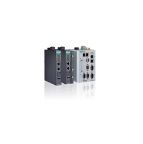
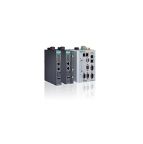
IoT Gateways
What are IOT Gateways
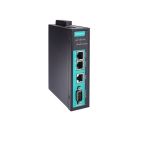
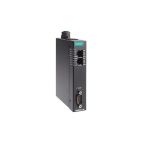
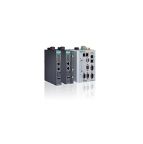
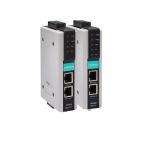
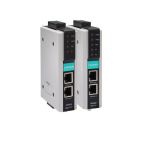
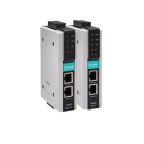
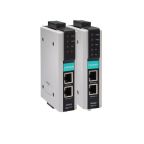
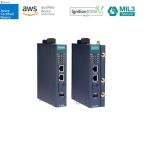
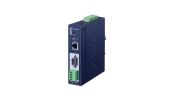
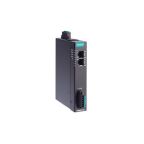
IoT (Internet of Things) Gateways are industrial devices designed to provide device-to-device or device-to-cloud platform communication, linking sensors, controllers, and machinery in a smart and effective network.
These gateways normally provide specialist solutions to industrial applications and are often used in complex automation systems as it acts a centralised hub for all IOT devices and sensors.
IoT Gateways also provide an extra security layer to IoT networks and the data, with the ability to perform a variety of IoT applications, such as data filtering, complex analysis, and data visualisation.
IoT Gateway devices are excellent solutions for expanding IoT ecosystems and enhancing industrial environments as they can be used with legacy devices or non-internet connected machines to relocate them into a localised network or on-cloud IoT ecosystem.
What is the main function of an IoT Gateway?
IoT gateways are intended to streamline IoT device communications and administration. Some common functions of IoT devices include:
- **Inter-Device Communications:**If a business is using different types of devices from varying brands, they may not be able to interconnect directly. An IoT gateway is a central hub and accomplish the required translations to allow inter-device communications.
- **Device-to-Cloud Communications:**IoT devices regularly send data to cloud-based processes for use in multiple applications. An IoT gateway collects data from numerous devices and establishes a single point of interaction across devices.
- **IoT Device Security:**IoT devices have bad security, making it unwise to access them from a non-private internet network. IoT gateways is the central point between IoT devices and the Internet, providing security to help protect IOT networks from attack.
Uses for IOT Devices include:
- Filtering Data
- Security and Risk Mitigation
- Connecting Devices to each other & The Cloud
- Translating Communication Between IOT Devices
- Intelligence Acquisition
Features & Benefits
They possess some key features including:
- Extremely long life
- High efficiency
- Low power requirements
- Easy to install and maintain
- Safe and convenient
Browse the broad range of IOT Gateways RS Components have to offer and order today for next day delivery.