Serial Device Servers
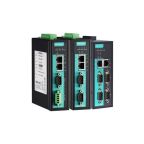
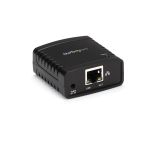
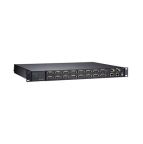
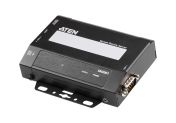
A serial device server is a networking device that transforms serial signals to ethernet compatible signals enabling locally connected serial devices with a USB, RS232, RS422, or RS485 serial interface to communicate over a local area network (LAN). These serial device servers, in effect, create virtual serial ports that emulate physical serial ports which are then used to connect the peripheral device to the network. Network access is given to the attached devices as if they were locally connected to the serial port. This functionality makes it easy to put electronic equipment on an ethernet network and allows them to be used remotely by network attached applications and machines.
379 Producten voor Serial Device Servers
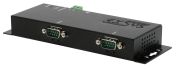 Op voorraad
Subtotaal (1 eenheid) € 226,96(excl. BTW) € 226,96/eenheid |
 Voorradig bij de fabrikant
Subtotaal (1 eenheid) € 2.467,50(excl. BTW) € 2.467,50/eenheid |
 Voorradig bij de fabrikant
Subtotaal (1 eenheid) € 1.442,95(excl. BTW) € 1.442,95/eenheid |
 Voorradig bij de fabrikant
Subtotaal (1 eenheid) € 1.772,63(excl. BTW) € 1.772,63/eenheid |
 Voorradig bij de fabrikant
Subtotaal (1 eenheid) € 65,54(excl. BTW) € 65,54/eenheid |
 Tijdelijk niet op voorraad
Subtotaal (1 eenheid) € 585,78(excl. BTW) € 585,78/eenheid |
 Op voorraad
Subtotaal (1 eenheid) € 844,79(excl. BTW) € 844,79/eenheid |
 Op voorraad
Subtotaal (1 eenheid) € 31,60(excl. BTW) € 31,60/eenheid |
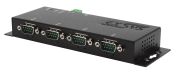 Op voorraad
Subtotaal (1 eenheid) € 402,15(excl. BTW) € 402,15/eenheid |
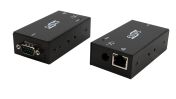 Op voorraad
Subtotaal (1 eenheid) € 260,70(excl. BTW) € 260,70/eenheid |
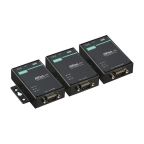 Op voorraad
Subtotaal (1 eenheid) € 263,52(excl. BTW) € 263,52/eenheid |
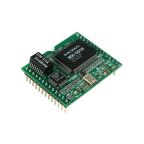 Voorradig bij de fabrikant
Subtotaal (1 eenheid) € 89,53(excl. BTW) € 89,53/eenheid |
 Tijdelijk niet op voorraad
Subtotaal (1 eenheid) € 427,39(excl. BTW) € 427,39/eenheid |
 Op voorraad
Subtotaal (1 eenheid) € 93,86(excl. BTW) € 93,86/eenheid |
 Voorradig bij de fabrikant
Subtotaal (1 eenheid) € 4.039,72(excl. BTW) € 4.039,72/eenheid |
 Op voorraad
Subtotaal (1 eenheid) € 209,58(excl. BTW) € 209,58/eenheid |
 Voorradig bij de fabrikant
Subtotaal (1 eenheid) € 1.920,00(excl. BTW) € 1.920,00/eenheid |
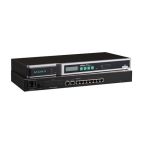 Voorradig bij de fabrikant
Subtotaal (1 eenheid) € 2.457,74(excl. BTW) € 2.457,74/eenheid |
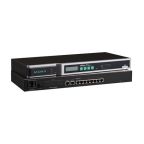 Op voorraad
Subtotaal (1 eenheid) € 1.633,22(excl. BTW) € 1.633,22/eenheid |
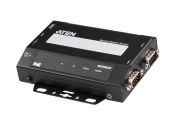 Op voorraad
Subtotaal (1 eenheid) € 326,05(excl. BTW) € 326,05/eenheid |
Gerelateerde Links
- StarTech.com Serial Device Server 1
- Lantronix Serial Device Server 1, 921.6 kbps Baud Rate
- MOXA Serial Device Server 3, 921.6 kbps Baud Rate
- MOXA Serial Device Server 8, 921.6 kbps Baud Rate
- Aten Serial Device Server
- Startech Serial Device Server
- Exsys Serial Device Server
- Brainboxes Device Server Serial Device Server 1, 1 Mbps Baud Rate
Wees als eerste op de hoogte van onze nieuwste producten en aanbiedingen
E-mailadres
De persoonlijke gegevens die u aan ons verstrekt bij het aanmelden voor deze mailinglijst worden verwerkt in overeenstemming met ons privacybeleid.